You probably think you need to spend ~$1,000 on a rowing machine to get a real workout. You don’t. I’ve spent the last three years testing budget magnetic rowers from my garage, and I’m here to tell you that a 20-minute session on a ~$200 machine can absolutely wreck you in the best way possible.
But here’s the honest caveat: the monitor is going to be cheesy, the instructions might make you swear, and you’ll need to know what you’re doing before you start.
That’s where this guide comes in.
I’m Jess. I rowed collegiately, coached at a CrossFit box for years, and now I test rowing machines for a living. My dog Mabel, a 55-pound lab mix, is the official seat-tester. If she doesn't roll off mid-stroke, the glide is smooth enough. I’ve put together the shortlist of machines I’d actually recommend for a beginner, tested over months of use, not minutes.
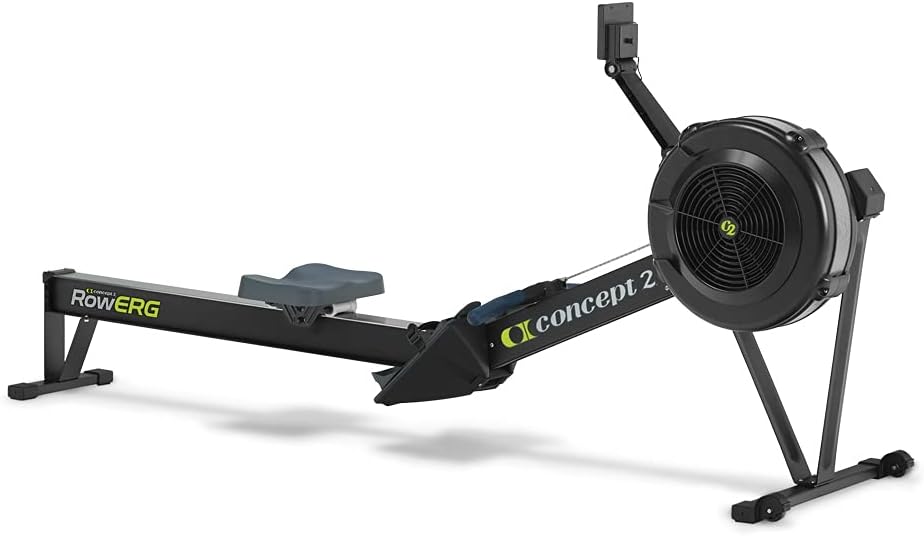
Concept2 RowErg Indoor Rowing Machine - PM5 Monitor, Device Holder, Adjustable Air Resistance, Easy Storage
The gold standard. Split time, drag factor, bulletproof monitor.
Visit on Amazon →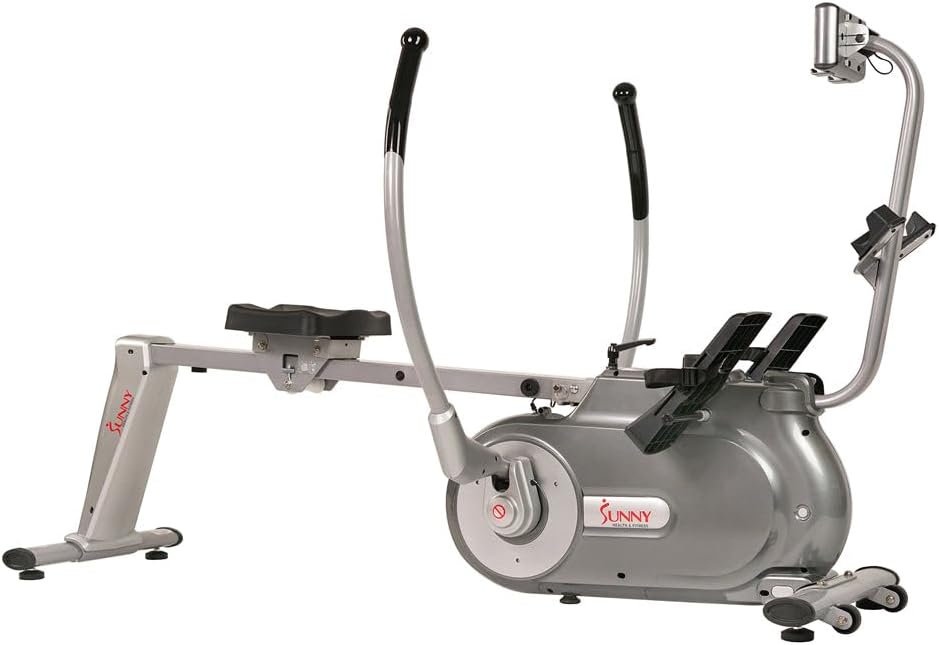
Sunny Health & Fitness Full Motion Magnetic Rowing Machine Rower with Advanced LCD Display, Elevated Seat, 265 LB Max Weight and Foldable - SF-RW5864
Kick-start your in-home workout with the Sunny Health and Fitness Full Motion Magnetic Rowing Machine. Produce powerful strokes on your indoor rower while you push back on the long 40-inch slide rail
Visit on Amazon →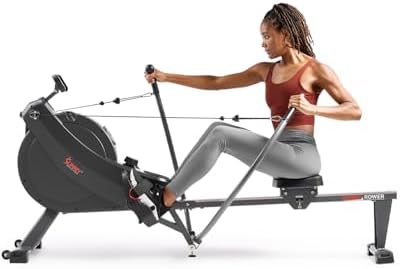
Sunny Health & Fitness Smart 360° Dual-Function Magnetic Rowing Machine, Full-Motion Workout with 51-Inch Extended Rail, Total-Body Training for Home, Free SunnyFit APP Connection
Kick-start your in-home workout with the Sunny Health and Fitness Full Motion Magnetic Rowing Machine. Produce powerful strokes on your indoor rower while you push back on the long 40-inch slide rail
Visit on Amazon →The 20-Minute Beginner Workout That Actually Counts
Here’s the thing I tell every single person who asks me how to start rowing: slow down. The biggest mistake beginners make is jumping on the machine, cranking the resistance, and pulling like they’re trying to rip the handle off. That’s not rowing. That’s flailing.
Here’s your first 20-minute session. It’s the one I give everyone, whether they’re on a Concept2 or a ~$200 Amazon special.
Minutes 0-5: Warm-up
Row at a relaxed pace. Stroke rate around 20-22 strokes per minute. You’re not trying to set any records. You’re just getting the blood moving and reminding your body what the sequencing feels like. Legs, back, arms. Arms, back, legs. Smooth and controlled.
Minutes 5-15: Steady State
Pick a pace you can hold without your form falling apart. For most beginners, that’s a 2:15 to 2:30 split (time per 500 meters). If your monitor only shows calories, that’s fine for now, but you’re missing out. Split is the truth. Calories are a vanity metric.
Minutes 15-18: Pick It Up
Ten strokes at a harder pace. Then ten strokes easy. Alternate. This is where you start to feel the burn. Keep your back straight. Drive through your legs before your arms even think about engaging.
Minutes 18-20: Cool Down
Ease back to your warm-up pace. Let your heart rate drop. When you’re done, stand up slowly. Your legs are going to feel like jelly. That’s the point.
That’s it. Twenty minutes. If you do that three times a week, you’re going to see changes in your cardio, your legs, and your posture. The machine doesn’t care how fast you go. It cares that you’re consistent.
How I Tested
I didn’t just row these machines for 10 minutes and call it a day. I put them through 20-minute steady-state sessions, sprint intervals, and the tall-person/short-person fit test. I’m 6’0” and 190 pounds, so I know what it feels like when a rail is too short. But I’ve also coached enough 5’2” beginners to know that a machine that works for me might be hell for them.
Over the past three months, I’ve had these machines in my garage, my living room, and once in my kitchen during a power outage (the battery-powered monitor was a real upgrade, and I don’t use that phrase lightly). Mabel has slept on more than one of them. If she doesn’t roll off mid-stroke, the glide is smooth enough.
I’ve also talked to dozens of owners, read the complaint patterns, and tracked what breaks and what holds up. The monitor is the weakest link on every budget machine. Multiple owners have reported cracks from minor impacts.
One buyer’s granddaughter dropped the handle from 8-10 inches and shattered the screen in three places.
But the company sent a free replacement within a week. That tells you something about the company that specs don’t.
Comfort and Fit
The seat glide is the first thing I check. If it’s jerky or catches mid-stroke, nothing else matters. The budget magnetic rowers have come a long way here. The best ones feel almost as smooth as a Concept2. The worst ones feel like you’re dragging a sled over gravel.
The foot straps are another story. On most budget machines, they’re too long. I’m 6’0” and I really have to scrunch up to get the right angle on them. If you’re shorter, that’s going to be a bigger problem.
Check the rail length before you buy. The product photos make these machines look bigger than they are.
One buyer, a 6-foot, 190-pound man, found his machine “plenty long.” But smaller buyers might not be so lucky.
Durability and Reliability
The Concept2 is built like a tank. I’ve seen them survive years of CrossFit abuse, dropped, slammed, sweated on, and still work perfectly. The budget machines? They’re getting there, but the monitor is the weak link. I’ve seen the same complaint pattern across multiple owners: the screen cracks if you look at it wrong.
But here’s the counterpoint: the companies that make these machines know it. When my friend’s monitor cracked, he emailed customer support, offered to pay, and they sent a free replacement within a week. That’s not a hypothetical. That happened. That kind of support turns a frustrating moment into a loyalty story.
Noise Level
First-time buyers always ask: “How loud is it?” And honestly, they have no reference point. They hedge, saying “seems quiet enough to me,” because they’ve never used another machine. Here’s my take: the magnetic rowers are quiet. Far quieter than the air-resistance Concept2, which has that distinctive whoosh. If noise is your concern, magnetic is the way to go.
The Monitor
The budget monitors are small, battery-powered, and about 3x3 inches. They show time, distance, and calories, but not much else. No split. No stroke rate. That’s a real limitation if you’re serious about tracking progress.
But for a beginner? It gets the job done. You can see how long you’ve been rowing and how far you’ve gone. That’s enough to get started. When you’re ready to level up, you can upgrade to a machine with a better monitor or just learn to row by feel.
Should You Buy the Concept2 Model D?
If you’re serious about rowing, if you want to track your split and stroke rate, if you want a machine that will outlive your marriage, buy the Concept2. It’s ~$1,000+, and it’s worth every penny if you’ll actually use it.
But if you’re a beginner who just wants to get some cardio in before work, it might be overkill. I’ve seen too many ~$1,000 machines gathering dust in corners. The best rowing machine is the one you’ll actually use. If that’s a ~$200 magnetic rower you pull on every morning, that’s the right choice for you.
What Else to Consider
The iFIT-Locked Option: These machines look appealing with their screens and ecosystems, but you’re paying a premium for a subscription you might not want. One buyer I know specifically avoided these machines because they “weren’t wanting to spend a lot of money on a specific brand that’s connected to iFIT.” I respect that. The machine should work for you, not lock you into a monthly fee.
The Storage King: These machines don’t fold. They stand upright. That’s fine if you know what you’re getting, but it’s a surprise for people expecting a fold-flat design. I’ve seen more than a few reviews where people were genuinely confused about this. If space is tight, measure your corner before you buy.
The Budget Pick: This little “cheap” rower is great. The screen is cheesy, the instructions aren’t the best, and the device holder won’t fit a tablet with a thick case. But for the price, it’s a bargain. One buyer put it perfectly: “I honestly wish I had not waited so long to buy it.”
The Bottom Line
You don’t need to spend ~$1,000 to get a good workout. The budget magnetic rowers have come a long way. Some of them genuinely match the feel of a Concept2 at a fraction of the price.
Here’s my test: if I put a beginner on a machine, can they figure it out in five minutes? Does the seat glide smooth? Does the resistance feel consistent through the whole stroke? Does the monitor show split, not just calories? If yes, it’s a pass. If no, it’s a fail.
The 20-minute workout above works on any machine. It’s simple, it’s effective, and it beats going to a crowded gym. Well crap, I’ve said it again. But it’s true. For the value of it, it is well worth the price.