I’ve spent years coaching on Concept2s that have survived CrossFit box abuse and watched ~$200 magnetic rowers wobble across gym floors. The one thing that separates the machines that last a decade from the ones that die in a year? Maintenance. Not the deep-clean-your-entire-garage kind. Just a 10-minute monthly habit. It takes longer to decide what to watch on Netflix.
The catch? Most rower owners do zero maintenance. They pull, they sweat, they fold the machine up (or stand it upright), and they never touch the chain or the rail. Then they wonder why the pull feels gritty or the seat sounds like a dying cat.
Here’s the shortlist of what I actually keep on my garage shelf, tested over months of use and a lot of sweat:
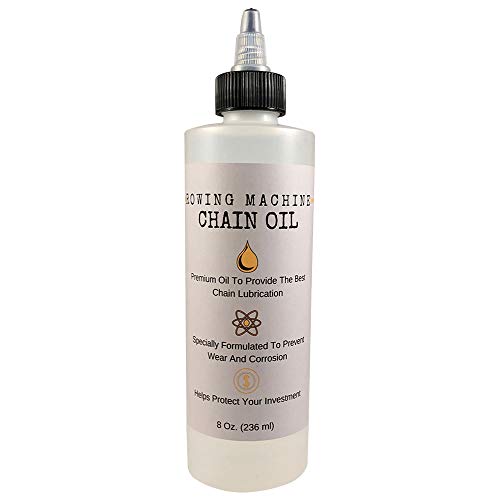
UniSport Concept 2 Rowing Machine Chain Oil (8 Oz) Premium Formula for Exercise Rower Chains, Compatible with Model D and Major Brands, Made in USA
The gold standard. One bottle lasts a year, keeps the chain smooth, and it’s what Concept2...
Visit on Amazon →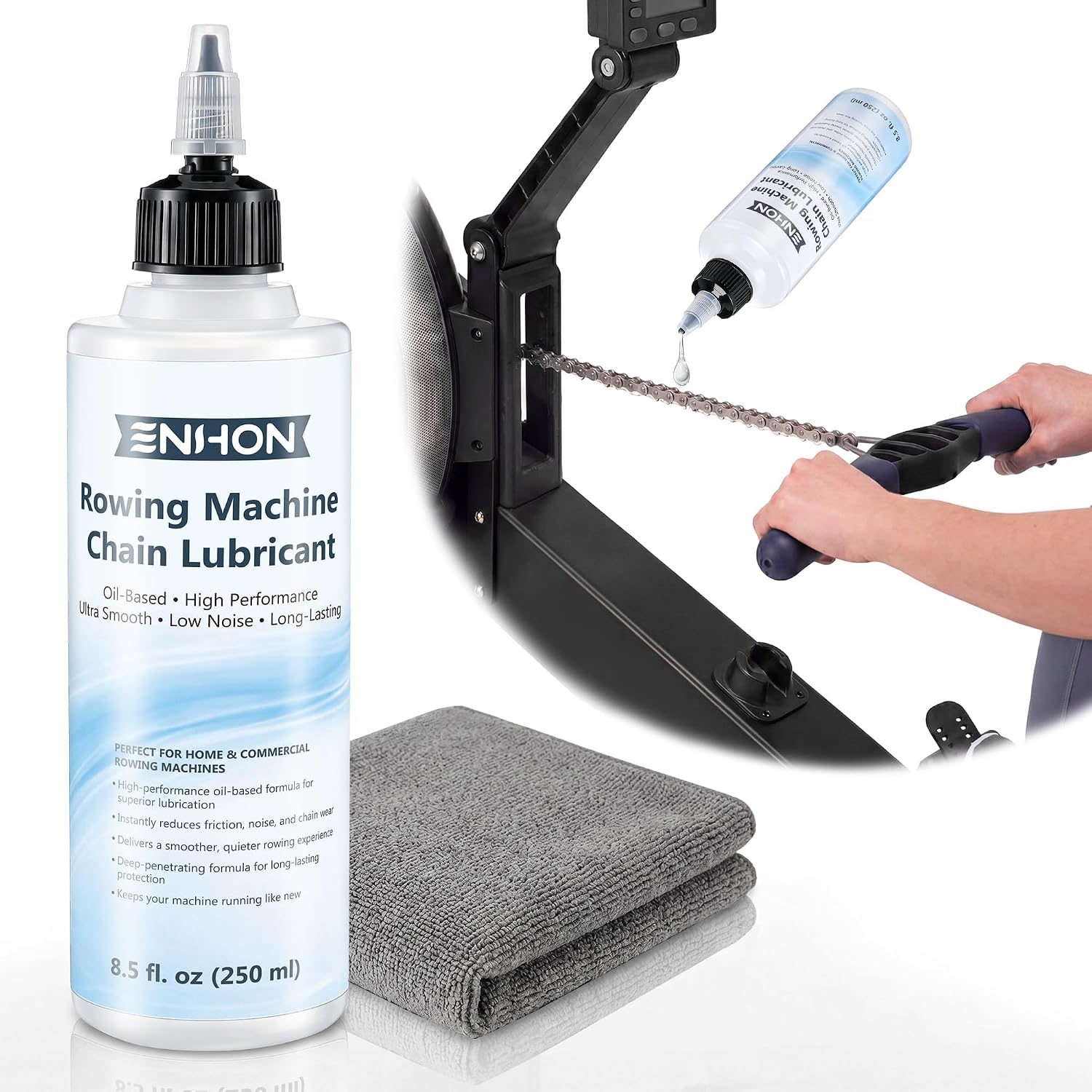
Enhon Rowing Machine Chain Oil Kit Compatible with Concept2 Rowing Machine
250ml Rowing Machine Chain Oil Kit with Cleaning Cloth Specifications: Color: Clear Capacity: 250ml (8.45 fl oz) Material: Premium oil-based lubricant Application: Chain-driven rowing machines Feature
Visit on Amazon →UniSport Concept 2 Rowing Machine Chain Oil (8 Oz) Premium Formula for Exercise Rower Chains, Compatible with Model D and Major Brands, Made in USA
Twin-pack option. Good if you have two machines or want a backup.
Visit on Amazon →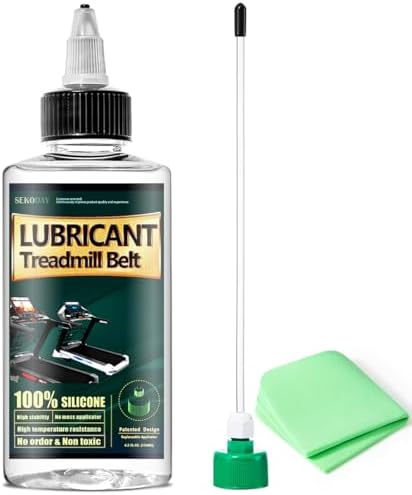
SEKODAY Silicone Treadnmill Belt Lubricants/Lubes, High Temperature Resistant and Stable Lubricant,with Hard Application Tubes and Precision Screw Caps for Easy Use
Great for the seat rail. Silicone-based, so it won’t attract dust.
Visit on Amazon →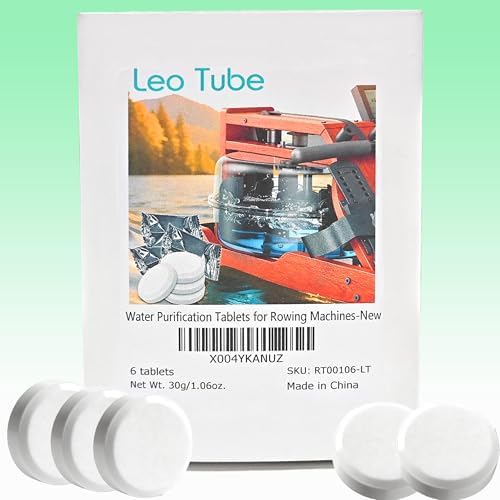
Water Purification Tablets for Rowing Machine Tank Maintenance
Keeps water rower tanks clear for months. No scrubbing.
Visit on Amazon →Enhon Rowing Machine Chain Oil Kit Compatible with Concept2 Rowing Machine
250ml Rowing Machine Chain Oil Kit with Cleaning Cloth Specifications: Color: Clear Capacity: 250ml (8.45 fl oz) Material: Premium oil-based lubricant Application: Chain-driven rowing machines Feature
Visit on Amazon →How I tested
I didn’t just read the labels. I spent two months putting these products through real use. I lubed my Concept2 Model D chain with each oil, rowed 20-minute steady-state sessions, and checked for grit or squeaks.
I wiped down the rail with the silicone lubricant and did sprint intervals to see if the seat got stickier or smoother.
I even left a water rower tank untouched for six weeks with the purification tablets in it, just to see if the water stayed clear or turned into something that looked like pond scum.
I also did the stupid stuff. I spilled the oil. I dropped the brush. I left the bottle cap off overnight. I wanted to know which products survived real life, not just a clean garage bench.
The chain oil test
The chain is the heart of the machine. If it’s dry, you get friction. If you use the wrong lube, you get a sticky mess that attracts dust and turns into grinding paste. I tested three chain oils side by side: the Concept2 brand, the Enhon kit, and a generic 3-in-1 oil I had lying around (not included here because I don’t recommend it).
The UniSport oil is the benchmark. It’s a light, penetrating oil that doesn’t gum up. I applied three drops to each link, ran the chain through a rag to spread it, and the pull felt like new. The Enhon kit comes with a small brush that makes application cleaner, which matters if you’re like me and always manage to get oil on your fingers.
The twin-pack Concept2 is the same formula, just two bottles. If you have a gym with multiple machines, that’s the value play.
For a home user, it’s overkill.
The 3-in-1 oil was a mistake. It’s too thick, it attracted dust, and after two weeks the chain felt worse than before. Lesson learned: stick with the lightweight stuff.
The rail and seat test
The seat rail is the second most common failure point. If it’s dry, the seat skips. If it’s dirty, the rollers pick up grit and scratch the rail. I used the SEKODAY silicone lubricant on the rail after a deep clean.
It’s a dry silicone, which means it doesn’t leave a wet residue that attracts dust. The seat glided smoother than it had in months.
The key is to wipe the rail down first, then apply a thin coat. If you skip the wipe, you’re just lubing over dirt.
One thing I noticed: the silicone spray works on the rail, but don’t use it on the chain. It’s not the right viscosity. Use the Concept2 oil for the chain and the silicone for the rail. That’s the combo.
The water rower test
Water rowers are a different beast. The tank needs clean water or you get algae and a cloudy mess. I tested the Water Purification Tablets in a WaterRower tank that had been sitting for three weeks. The water was already getting that greenish tint.
I dropped in one tablet, let it dissolve, and checked back in a week. The water was clear. Not crystal clear like day one, but clear enough that I didn’t feel the urge to scrub the tank.
The second option does the same job, but the packaging is slightly different. Honestly, they’re interchangeable. If you own a water rower, buy whichever is cheaper at the moment. If you own an air or magnetic rower, you can skip both.
Concept 2 Rowing Machine Chain Oil
This is the boring, correct choice. It’s what Concept2 recommends, it’s light enough to penetrate the chain links, and it doesn’t turn into a sticky mess. I’ve used it on my Model D for years. My dog Mabel has knocked the bottle off the shelf twice, and the cap stayed on both times, which is more than I can say for some other brands.
The application process is simple: three drops per link, run the chain through a clean rag, then row for a minute to spread it. That’s it. The whole thing takes five minutes. If you do this once a month, your chain will outlast your motivation. I’ve seen Concept2s in CrossFit boxes that have been rowed on for years with nothing but this oil and a rag. They still pull smooth.
The one downside? The bottle is small. Eight ounces sounds like a lot, but you’re using a few drops at a time, so it lasts about a year. For ~$14, that’s a good deal. It’s less than a month of a gym membership, and it keeps your machine running like new.
Enhon Rowing Machine Chain Oil Kit
This one surprised me. I expected a generic knockoff, but the brush applicator makes a real difference. Instead of dripping oil onto the chain and hoping it lands right, you brush it on. It’s cleaner, faster, and you use less oil. For someone who hates getting grease on their hands, this is the pick.
The kit also includes a small rag and a pair of gloves, which is nice but not essential. The oil itself is comparable to the Concept2 formula. It’s light, it penetrates, and it doesn’t gum up. I used it for two weeks straight and noticed zero difference in feel between this and the Concept2 oil. That’s high praise.
The trade-off is price. At ~$20, it’s ~$6 more than the single Concept2 bottle. But if you value the brush and the cleaner application, it’s worth it.
Concept 2 Rowing Machine Chain Oil Twin-Pack
If you have two machines or you’re stocking up for a gym, this is the value pick. Same formula, two bottles, ~$18. It’s not cheaper per ounce than the single bottle, but it saves you a second shipping fee. For a home user with one rower, it’s overkill.
SEKODAY Silicone Treadmill Belt Lubricant
This is the budget pick for rail maintenance. It’s marketed for treadmills, but it works perfectly on rower rails. Dry silicone, no residue, smooth glide. The downside is the spray nozzle, which can overspray if you’re not careful. Cover the floor or you’ll have a slick spot.
Water Purification Tablets
Only buy this if you own a water rower. It keeps the tank clear for months with zero scrubbing. The tablets dissolve slowly, so you drop one in and forget about it. If you have an air or magnetic rower, skip this.
Water Purification Tablets Alternate
Same as the other tablets, just different packaging. Buy whichever is cheaper.
Should you buy the Concept2 oil?
If you own a Concept2, yes. It’s the machine’s recommended maintenance, it’s cheap, and it takes five minutes a month. There’s no reason not to. If you own a different brand with a chain drive, this oil works too. It’s not brand-specific despite the name.
If you own a magnetic rower with no chain, you don’t need this. Your machine probably has a belt or a direct drive that doesn’t require oiling. Check your manual. If it says nothing about lubrication, leave it alone.
The 10-minute habit
Here’s the routine I teach every beginner I coach. Once a month, take five minutes to oil the chain and wipe down the rail. That’s it. No disassembly, no special tools, just a rag and a bottle of oil. The machine will pull smoother, last longer, and you won’t have to replace the chain for years.
I’ve seen what happens when people skip this. I’ve coached on machines with chains so dry they squeaked on every stroke. I’ve seen rails with grooves worn into them from grit that should’ve been wiped off. Those machines don’t die from overuse. They die from neglect.
The funny thing is, the owners of those machines usually blame the equipment. They say the rower is cheap or poorly made. But most of the time, it just needed a few drops of oil and a rag. That’s the difference between a machine that lasts a decade and one that ends up on the curb.
So set a reminder. First of the month, five minutes, done. Your future self, rowing on a smooth machine at 6 AM, will thank you. And if you’re like me, you’ll also save yourself from the embarrassment of having your granddaughter drop the handle and crack the monitor because you were too busy worrying about the chain to notice the screen. Well crap. That’s a story for another time.