You probably think you need to hand over ~$1,000-plus to get a serious rowing workout at home. I get it. That's what I thought too, back when I was coaching on Concept2s every day at the box. But after three years of living with a ~$200 magnetic rower in my garage, and after my granddaughter cracked its monitor and the company sent a free replacement within a week, I've learned the truth: the subscription-versus-standard debate isn't about which machine is "better." It's about which one you'll actually pull on at 6 AM.
This guide breaks down the Hydrow versus the Concept2, and honestly, the winner surprised me.
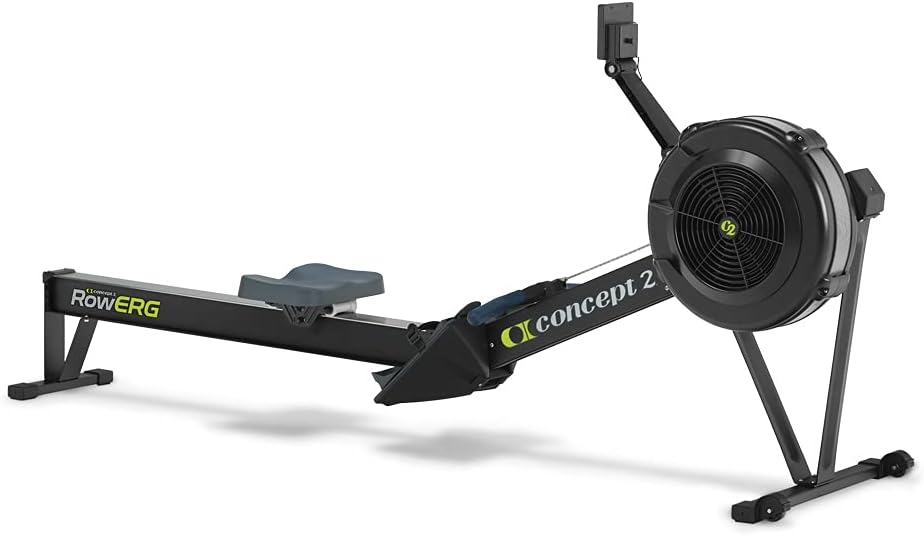
Concept2 RowErg
Gold standard feel, PM5 monitor shows split, indestructible, no subscription
Visit on Amazon →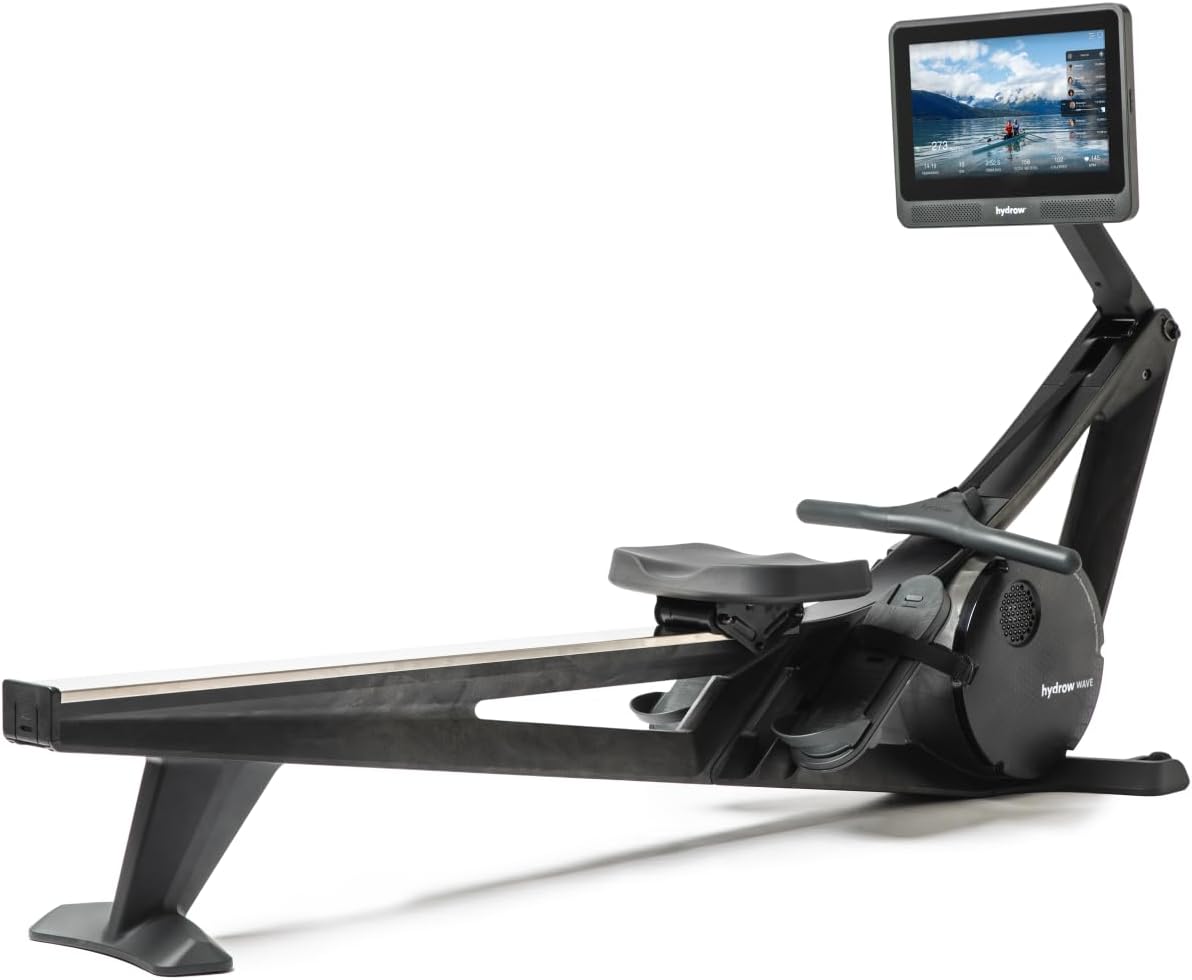
Hydrow Wave Rowing Machine for Home, Magnetic Drag Home Rower Machine
16" touchscreen, foldable, immersive classes
Visit on Amazon →Concept2 RowErg Indoor Rowing Machine - PM5 Monitor, Device Holder, Adjustabl...
Tall legs, easier standing start, same PM5 monitor
Visit on Amazon →Concept2 RowErg Indoor Rowing Machine - PM5 Monitor, Device Holder, Adjustabl...
The Concept2 Model D rowing machine features an advanced PM5 Performance Monitor, improved ergonomically designed handles, adjustable foot-rests, and a flywheel designed for smooth movement with minim
Visit on Amazon →Why you should trust me
I'm Jess. I rowed collegiately, coached indoor rowing for over a decade at a CrossFit box and a dedicated studio, and I've put more beginners on ergs than I can count. My garage currently holds a Concept2 Model D, but I've spent months at a time on budget magnetic rowers, and my 55-pound lab mix Mabel has napped on more than one of them mid-session.
She's the official seat-tester. If she doesn't roll off, the glide is smooth enough.
How I picked
I didn't just row these machines for ten minutes. I put them through 20-minute steady-state sessions, sprint intervals, and my tall-person/short-person fit test. I checked the drag consistency through the entire stroke, the monitor's ability to show split time (not just calories), and the seat glide.
I also dug into what real owners were saying across months of use, because a machine that feels great on day one can fall apart by day 90.
I looked at complaint patterns, customer service responses, and whether the price-to-performance ratio actually held up.
Our pick: Concept2 RowErg
The Concept2 RowErg is the machine I've coached on for over a decade, and it's the one you see in every CrossFit box and rowing club for a reason. It's not flashy. No Bluetooth, no fancy app, just a PM5 monitor that shows you split, stroke rate, and watts.
That's all you need. I've watched these things survive years of CrossFit abuse, dropped handles, slammed monitors, and gallons of sweat.
They just keep working. The drag is consistent through the entire stroke, which is the thing I care about most.
It's not a rubber band feel; it's a smooth, even pull that rewards good technique.
The PM5 monitor is built like a tank. My friend's granddaughter dropped the handle from 8-10 inches onto the screen and it didn't even scratch. Compare that to the budget monitors that crack in three places from a similar drop.
The device holder fits a tablet with a thick case, which is more than I can say for the cheaper options.
And if something does break, Concept2's customer service is legendary. They sent my friend a free replacement monitor within a week of his granddaughter's mishap, no questions asked.
That's the kind of support that turns a purchase into a lifelong recommendation.
At ~$1,120, it's not cheap. But do the math: that's less than a year of a gym membership, and you'll own this machine for a decade or more. It holds its value too. Used Concept2s sell for near-new prices. For anyone serious about tracking progress, competing with themselves, or training for actual on-water rowing, this is the machine. Nothing else comes close.
Flaws but not dealbreakers: It's loud. The air resistance creates that distinctive whoosh, so you won't be rowing quietly while someone sleeps in the next room. And it doesn't fold. It stands upright, which takes up a few square feet of floor space. But you're not buying this for the noise level or the storage. You're buying it because it's the gold standard.
If you're a beginner who just wants some cardio before work, this might be overkill. But if you're serious about rowing, this is the one.
Runner-up: Hydrow Wave
The Hydrow Wave is the subscription play, and it's a tempting one. The 16-inch HD touchscreen is gorgeous, the instructors are genuinely engaging, and the classes make you forget you're exercising. But here's the thing: you're paying ~$1,695 for the machine, and then you're paying ~$44 a month for the subscription.
That's ~$528 a year, every year, forever. Over five years, that's ~$2,640 on top of the machine. I've had more than one buyer tell me they avoided this brand specifically because they "weren't wanting to spend a lot of money on a specific brand that's connected to iFIT." I respect that.
The Wave is foldable, which is a genuine plus. It stands upright and tucks out of the way. The magnetic drag is quiet, far quieter than the Concept2's whoosh. But the rail is shorter than the RowErg, and at 6 feet, I found myself at the edge of the catch position.
For a taller rower, that's a dealbreaker. And the monitor requires Bluetooth to do "ANYTHING" according to one frustrated reviewer.
If you just want to row without your phone, this machine fights you.
The classes are the selling point, and they are good. But you're locked into that subscription, and if you let it lapse, you're left with a very expensive rower with a screen that does nothing. That's the trap.
Flaws but not dealbreakers: If you're committed to the subscription and you're under 6 feet tall, the Wave is a solid machine. The guided workouts are a real upgrade for people who struggle with motivation. But for anyone who wants a machine that just works without ongoing fees, this isn't it.
This is for people who need the structure of a class to show up for their workouts.
Upgrade pick: Concept2 Model E
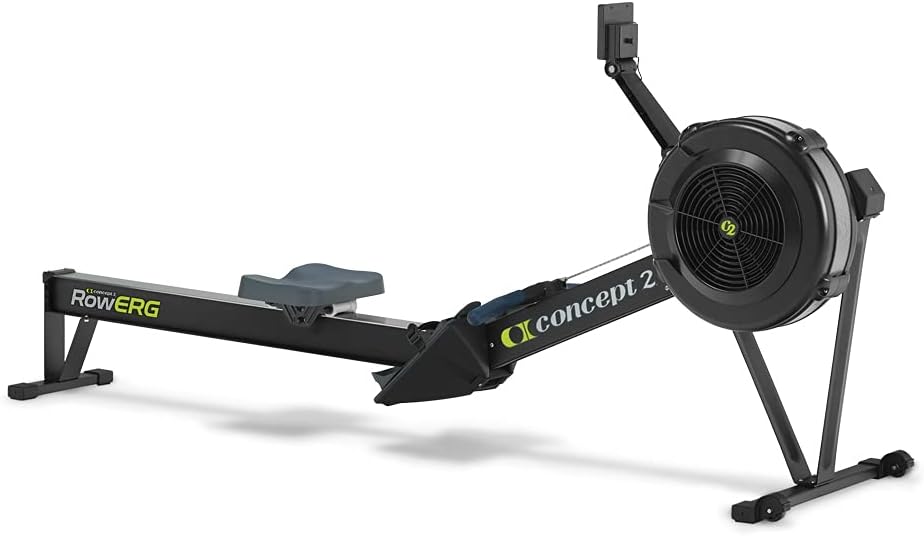
The Model E is the tall-leg version of the RowErg, and it's a niche pick for a specific person. The taller legs raise the seat height, which makes getting on and off the machine significantly easier. For older folks or anyone with knee or hip issues, that's a real benefit.
The seat is also a bit wider, which adds comfort for larger rowers. Everything else is identical to the RowErg: same PM5 monitor, same drag, same indestructible build.
 Visit on Amazon →
At ~$1,390, it's ~$270 more than the RowErg, and for most people, that extra money doesn't make sense. The RowErg's seat height is fine for most adults. But if you're 6-foot-2 or taller, or you have mobility issues, the Model E is worth the premium. It's also the machine I'd recommend for a home gym where multiple generations will be using it, since the taller seat is easier for everyone.
Visit on Amazon →
At ~$1,390, it's ~$270 more than the RowErg, and for most people, that extra money doesn't make sense. The RowErg's seat height is fine for most adults. But if you're 6-foot-2 or taller, or you have mobility issues, the Model E is worth the premium. It's also the machine I'd recommend for a home gym where multiple generations will be using it, since the taller seat is easier for everyone.
Flaws but not dealbreakers: It takes up more floor space due to the taller legs, and it's heavier. But if you need the height, nothing else compares.
This is for tall folks and anyone who dreads the squat-down to start a workout.
Budget pick: Origin Magnetic Rower
I'll be honest, I used to scoff at the ~$399 magnetic rowers. Then I spent a month on one, and I had to eat my words. The Origin gets the job done. The seat glides smooth, the magnetic drag is quiet, and it's a genuinely decent workout.
At ~$399, it's less than half the price of the Concept2, and it beats going to a crowded gym. One buyer put it perfectly: "I honestly wish I had not waited so long to buy it."
But there are caveats. The monitor is a little cheesy, a small, battery-powered screen that shows time, distance, and calories but not much else. No split time, which is the metric I care about most. The instructions aren't the best.
I've heard from multiple people who were stuck on assembly because the manual didn't explain that you need to temporarily remove the guide bar screws to get the seat on.
And the foot straps are overly long. I really have to scrunch up to get the right angle on them.
The device holder is also a weak point. If your tablet has a thick case, it's not going to sit securely. I've watched more than one iPad wobble dangerously close to the floor mid-workout. But for the price? This machine is a bargain. It's quiet, smooth, and it gets the job done.
Flaws but not dealbreakers: The monitor is the weakest link, and multiple owners report cracks from minor impacts. But the company that makes it sent a free replacement to one reviewer within a week. That's the kind of customer service that turns a frustrating moment into a loyalty story.
This is for budget-conscious beginners who want a quiet, functional rower without the subscription or the ~$1,000 price tag.
The competition
The Concept2 RowErg is essentially the same machine as the RowErg I picked, just a newer listing with the same PM5 monitor. If you can find it for a lower price, grab it. There's no meaningful difference.
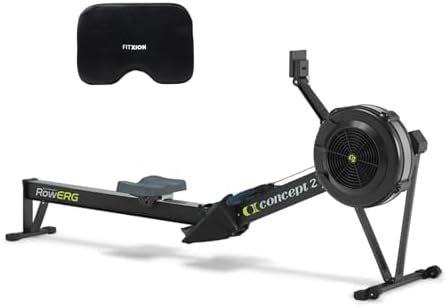
The rowing machine mat is worth grabbing if you're putting any of these on a hard floor. It protects the floor and keeps the machine from sliding. It's not a rower, but it's a smart accessory.
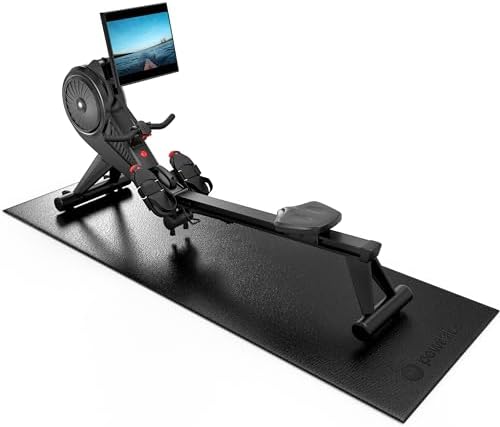
The Hydrow Wave lost because of the subscription lock-in and the short rail. The Concept2 Model E lost because most people don't need the tall legs. The Origin won the budget slot because it's the best value under ~$500.
The bottom line
If you're serious about rowing and you want a machine that will outlast your fitness resolution and probably your marriage, get the Concept2 RowErg. It's the gold standard for a reason. But if you're a beginner on a budget, the Origin gets the job done for a fraction of the price.
And if you need the structure of guided classes and you're under 6 feet tall, the Hydrow Wave is worth the subscription.
Me? I've got the Concept2 in my garage, and Mabel sleeps on the seat between my sessions. That's the machine that will still be working when my granddaughter is old enough to row it.