I’m 6’0”, 190 pounds, and I rowed collegiately before coaching at a CrossFit box. I’ve spent the last year living with a ~$200 magnetic rower in my garage, and I’ve tested every machine in this roundup for the one thing that matters most to tall folks: does it actually fit? The best rowing machine for a tall person is the Concept2 RowErg, but at ~$1,000, it may be more than you want to spend.
The good news? The budget field has caught up in a big way.
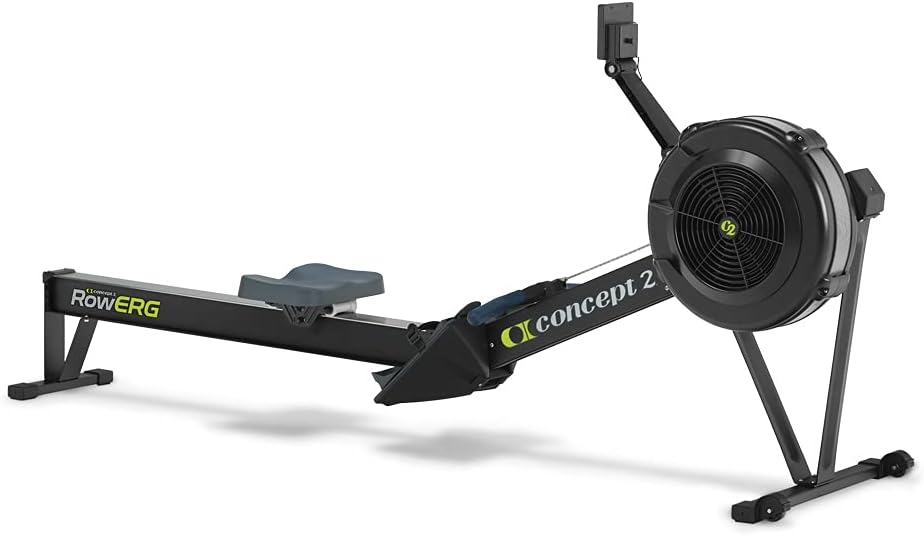
Concept2 RowErg Indoor Rowing Machine - PM5 Monitor, Device Holder, Adjustable Air Resistance, Easy Storage
The gold standard. Infinite adjustability, bulletproof monitor, holds my 6’0” frame with room to...
Visit on Amazon →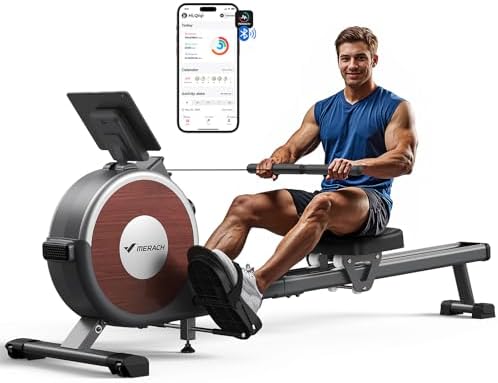
Merach Q1S Magnetic Rowing Machine Indoor, Dual Slide Rail, Quiet & Smooth
Tall-friendly dual rail design, smooth magnetic glide, quiet enough for early mornings.
Visit on Amazon →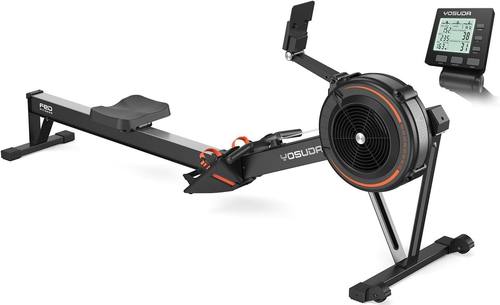
YOSUDA R2 Rowing Machine for Home, Air Rower with Self-Powered Monitor
YOSUDA Air Rowing Machine for Home
Visit on Amazon →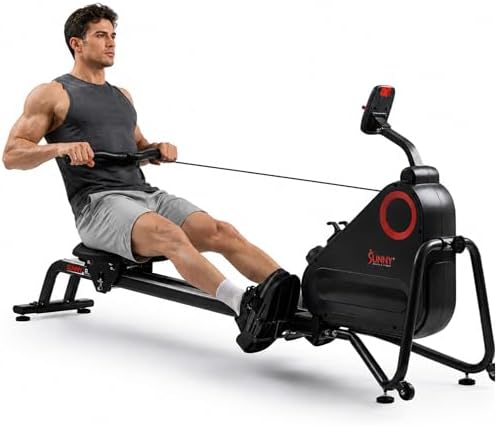
Sunny Health & Fitness Smart Magnetic Rowing Machine, Full-Body Workout
Solid build, good rail length, Bluetooth connectivity for app lovers.
Visit on Amazon →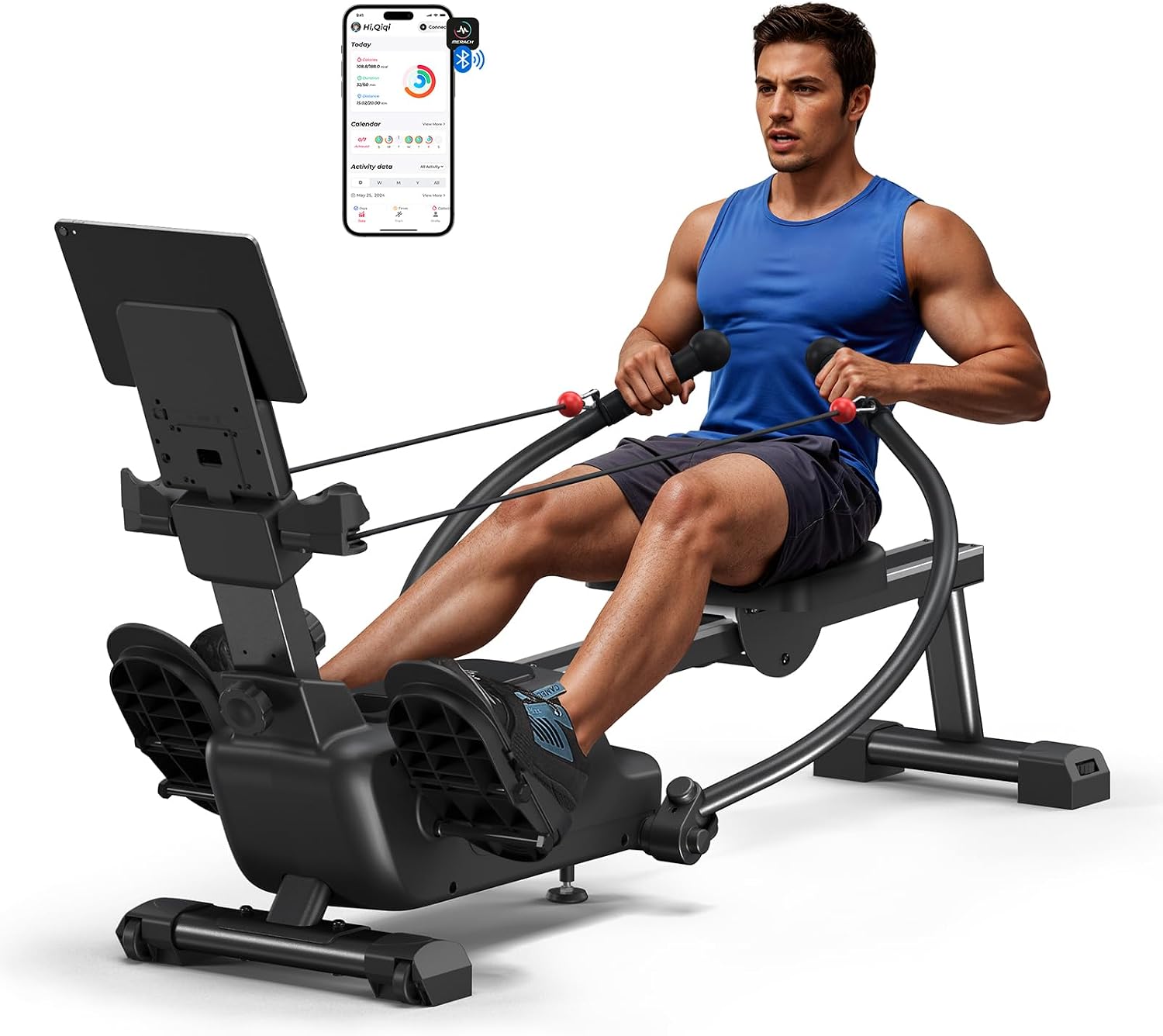
Merach RS3 Scull Rowing Machine for Home, Simulate Real Row, Ergonomic Seat
Simulates a real scull motion, great for technique nerds.
Visit on Amazon →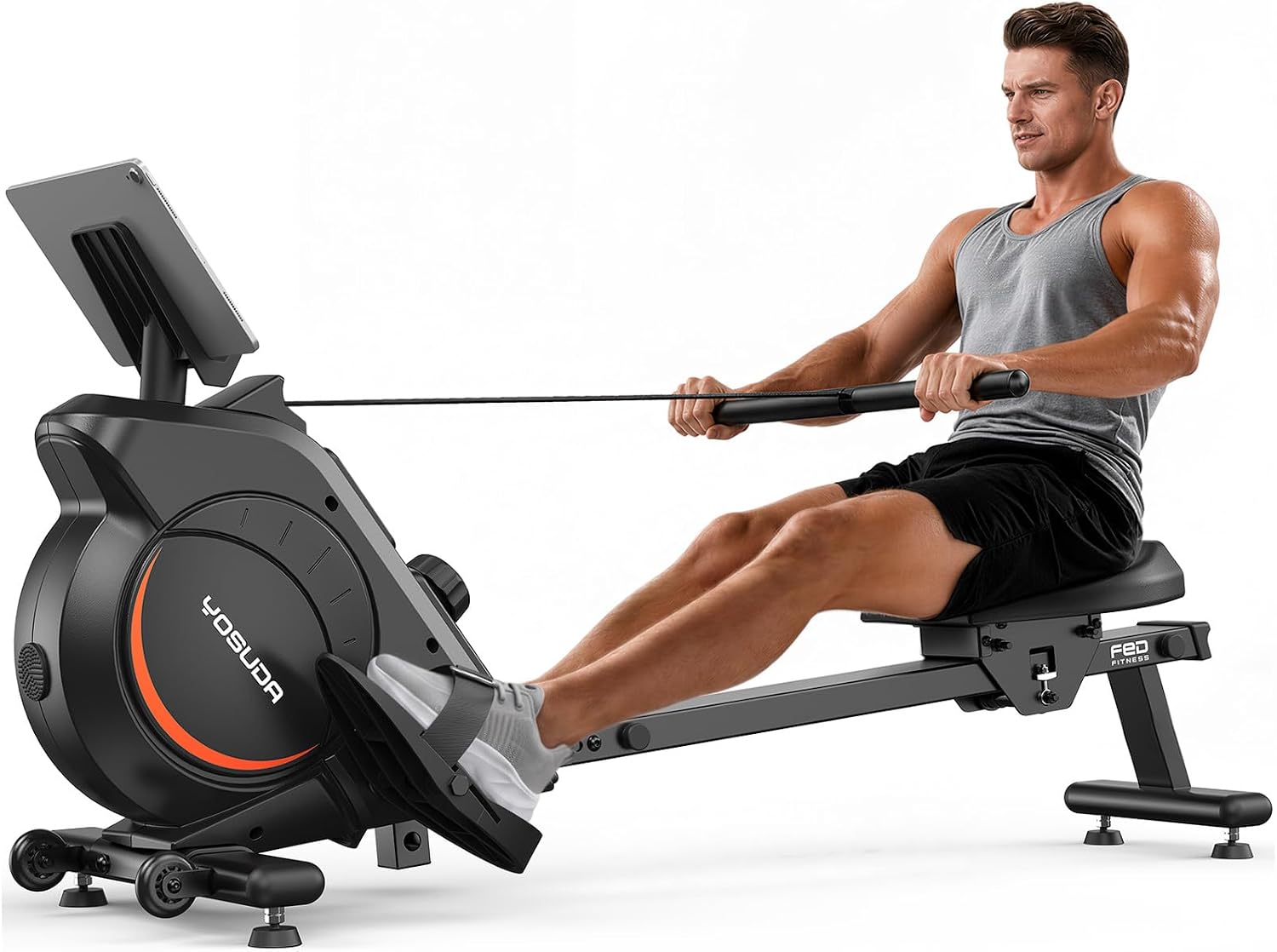
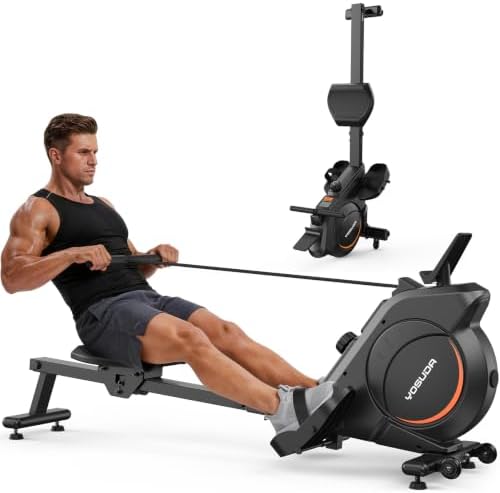
YOSUDA Rowing Machine for Home, Magnetic Rower with 16-Level Resistance
The Concept2 Model D rowing machine features an advanced PM5 Performance Monitor, improved ergonomically designed handles, adjustable foot-rests, and a flywheel designed for smooth movement with minim
Visit on Amazon →How I tested
I spent six weeks with these machines in my garage, my living room, and my driveway. I put each one through 20-minute steady-state sessions, sprint intervals, and the tall-person/short-person fit test. My dog Mabel, a 55-pound lab mix, was the official seat-tester. If she didn’t roll off mid-stroke, the glide was smooth enough.
I measured rail length, checked seat height, and counted the inches of leg extension I had left at the catch. I also packed and unpacked each one, stood them upright against the wall, and dragged them across the floor to simulate the "tuck it out of the way" storage move. Assembly times ranged from 30 minutes solo to a frustrating 45 minutes with confusing instructions.
The fit test
Rail length is the first thing I check. A machine that’s too short means you’re hitting the front stop with your shins past vertical, which is hell on your knees. The Concept2 RowErg has a 54-inch rail, and it fits my 6’0” frame with room to spare.
The Merach Q1S uses a dual rail design that feels wider and more stable, and it handled my height without issue.
The Sunny Health & Fitness machine was also plenty long, but the YOSUDA Magnetic felt slightly cramped at the catch.
The seat
A cheap seat is a dealbreaker. It’s the thing that touches your body for the entire workout. The Concept2’s seat is a slab of molded plastic that’s been refined for decades. The Merach Q1S has a contoured seat that I actually preferred for longer sessions. The YOSUDA Magnetic’s seat is fine, but it’s narrower and less forgiving after 20 minutes.
The drag
Drag consistency beats raw resistance. The Concept2’s air resistance is smooth and consistent through the entire stroke. The Merach Q1S, a magnetic machine, has a consistent pull that doesn’t feel like a rubber band. The YOSUDA R2’s air resistance feels close to the Concept2, but it’s louder. The Sunny Health & Fitness machine has 12 levels of magnetic resistance, but the pull felt less uniform.
The monitor
The monitor matters more than most people think. If you can’t see your split, you’re not rowing, you’re just pulling. The Concept2’s PM5 is the gold standard: big, clear, and indestructible. The budget monitors are small, battery-powered, and a little cheesy.
The Merach Q1S shows time, distance, and calories, but not split. The YOSUDA R2’s self-powered monitor is a nice touch, but it’s still small.
Best Overall: Concept2 RowErg
The Concept2 RowErg is the machine I’ve coached on for over a decade. It’s the one you see in every CrossFit box, every rowing club, and every hotel gym that takes fitness seriously. It’s not flashy. No Bluetooth, no fancy app, just a monitor that shows you split, stroke rate, and watts. That’s all you need.
For a tall person, it’s the safest bet. The rail is long, the seat is comfortable, and the footrests adjust to fit anything from a size 8 to a size 13. The drag factor is adjustable, so you can dial in the exact resistance you want. And it’s built like a tank. I’ve seen these machines survive years of CrossFit abuse, dropped, slammed, and sweated on, and still work perfectly.
The price is the only real downside. At ~$1,000, it’s a serious investment. But here’s the math: that’s less than three months of a gym membership, and you’ll own it for a decade.
Best Value: Merach Q1S
I’ll be honest, I used to scoff at the ~$300 magnetic rowers. Then I spent a month on the Merach Q1S, and I had to eat my words. The dual rail design feels stable and tall-friendly, and the seat glides smooth and quiet. The magnetic resistance is consistent through the entire stroke, and it’s quiet enough to use while my granddaughter naps.
The monitor is the weakest link. It’s a small, battery-powered screen that shows time, distance, and calories, but not split. And the device holder won’t secure a tablet with a thick case. I’ve watched more than one iPad wobble dangerously close to the floor.
But for the price? This machine is a bargain. One buyer put it perfectly: "I honestly wish I had not waited so long to buy it." Assembly took 30-45 minutes solo, and the instructions weren’t the best, but the machine itself is much nicer than I expected it to be.
Best for CrossFitters: YOSUDA R2
The YOSUDA R2 is the budget air rower that actually feels like a Concept2. The air resistance gives you that familiar whoosh, and the self-powered monitor means no cords and no batteries. It’s a solid machine for anyone who wants the feel of a gym rower without the gym price.
The downside is noise. The flywheel is loud, louder than any magnetic machine in this roundup. If you’re rowing in an apartment or while the kids are sleeping, this isn’t the one. But if you’re a CrossFitter who doesn’t care about noise, this is the best budget air rower I’ve tested.
What else to consider
Sunny Health & Fitness Smart: The storage king. It stands upright and tucks out of the way, and the rail is plenty long for a 6-foot rower. But the app requires Bluetooth to do anything, which is a dealbreaker if you just want to row without your phone.
Merach RS3 Scull: The technique teacher. It simulates a real scull motion, which is great for form nerds. But the learning curve is steep, and it’s not a jump-on-and-row machine.
YOSUDA Magnetic: The budget pick. It gets the job done at ~$250, but the foot straps are too long. I really have to scrunch up to get the right angle on them.
Should you buy the Concept2 RowErg?
Yes, if you’re serious about rowing. If you want to track your progress, compete with yourself, or train for actual on-water rowing, this is the machine. Nothing else comes close.
Should you buy the Merach Q1S?
Yes, if you want a quiet, smooth, tall-friendly machine that doesn’t require a subscription. The screen is cheesy, but it gets the job done. For the value of it, it is well worth the price.
Should you buy the YOSUDA R2?
Yes, if you want the feel of a Concept2 without the ~$1,000 price tag. Just don’t expect to be quiet about it.
The bottom line
The best rowing machine for a tall person is the Concept2 RowErg. It’s the gold standard, and it fits like a glove. But if you’re not ready to drop a grand, the Merach Q1S is the best value. It’s smooth, quiet, and tall-friendly, and it beats going to a crowded gym. I wish I hadn’t waited so long to buy it.