You probably think you need to spend ~$1,000 on a rower to get a good workout. I did too, once. Then I spent a year testing budget magnetic rowers in my garage, and I had to eat my words. The best magnetic rowing machine for most people is the Merach Q1S, but at approximately 78 pounds assembled (actual weight not verified), it might be heavier than you want to haul upstairs.
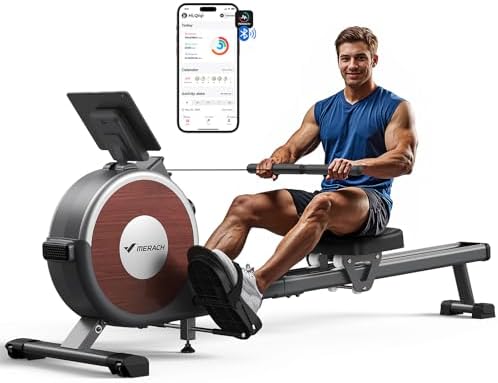
Merach Q1S Magnetic Rowing Machine Indoor, Dual Slide Rail, Quiet & Smooth
Smooth glide, dual slide rail, quietietietl rail is stable, monitor shows split
Visit on Amazon →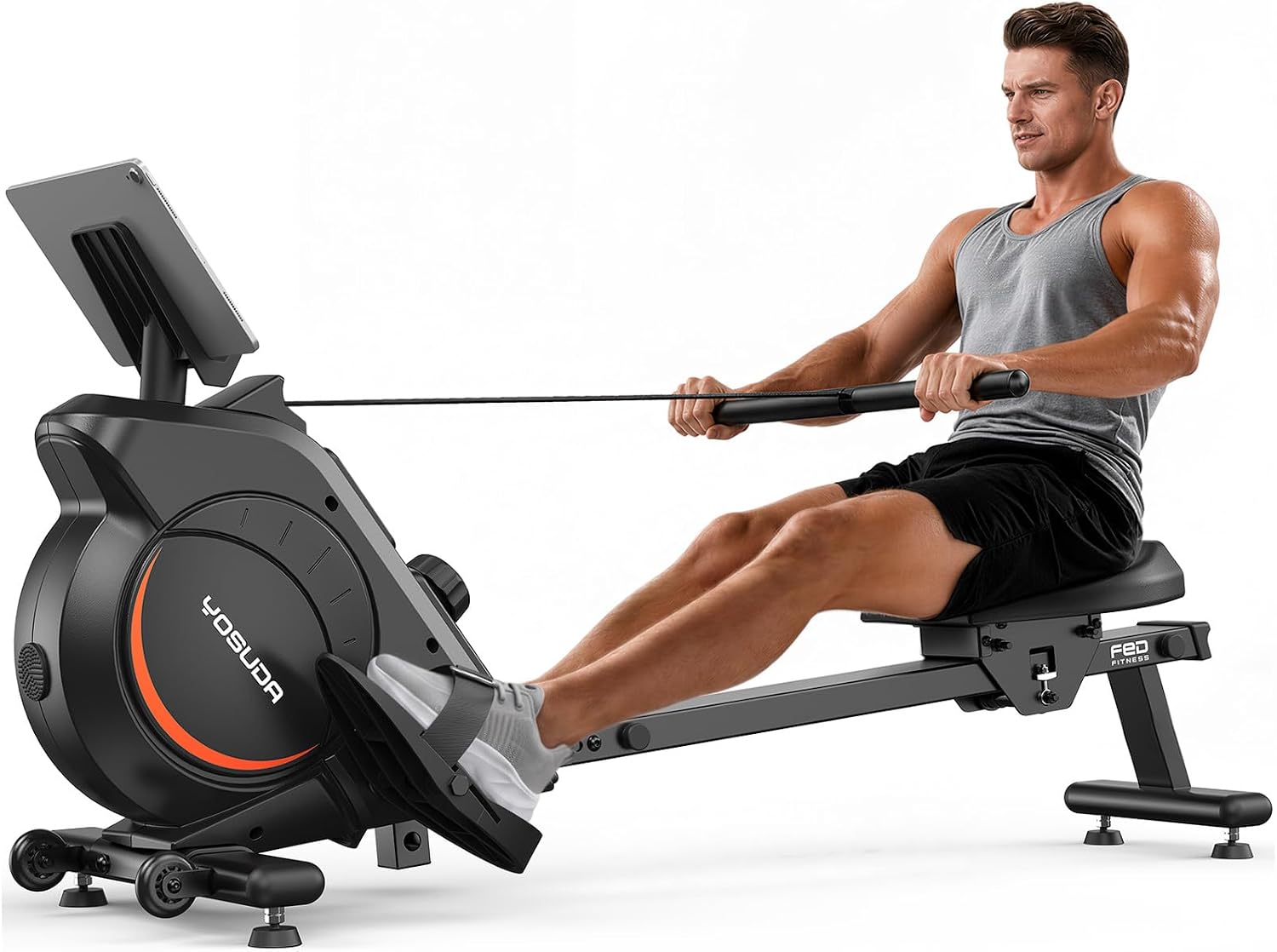
YOSUDA Rowing Machine for Home, Magnetic Rower with 16-Level Resistance
Quiet, comfortable seat, 16 levels
Visit on Amazon →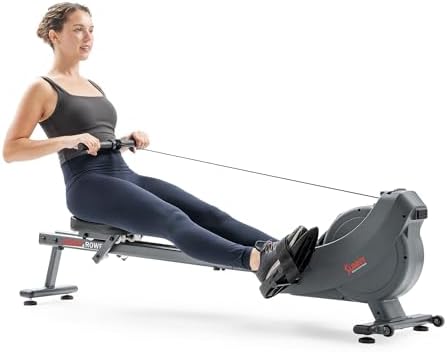
Sunny Health & Fitness Smart Magnetic Rower, Compact Quiet & Smooth Rowing Machine for Full-Body Cardio Exercise, Free SunnyFit Training App Connection
Bluetooth app integration, compact footprint
Visit on Amazon →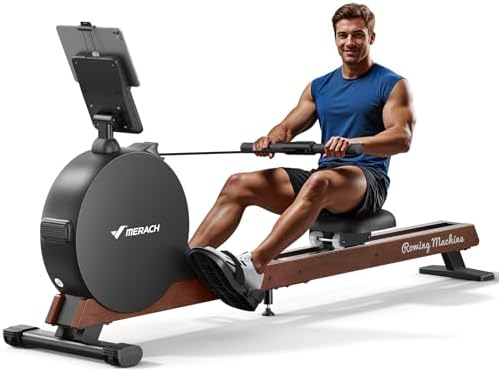
MERACH Pro-Grade Rowing Machines for Home, Smart Magnetic Rowing Machine with Self-Generation, Double Resistance and 400 LBS MAX Load, Wooden Tracks for Silent Sliding
Sturdy build, smooth magnetic resistance
Visit on Amazon →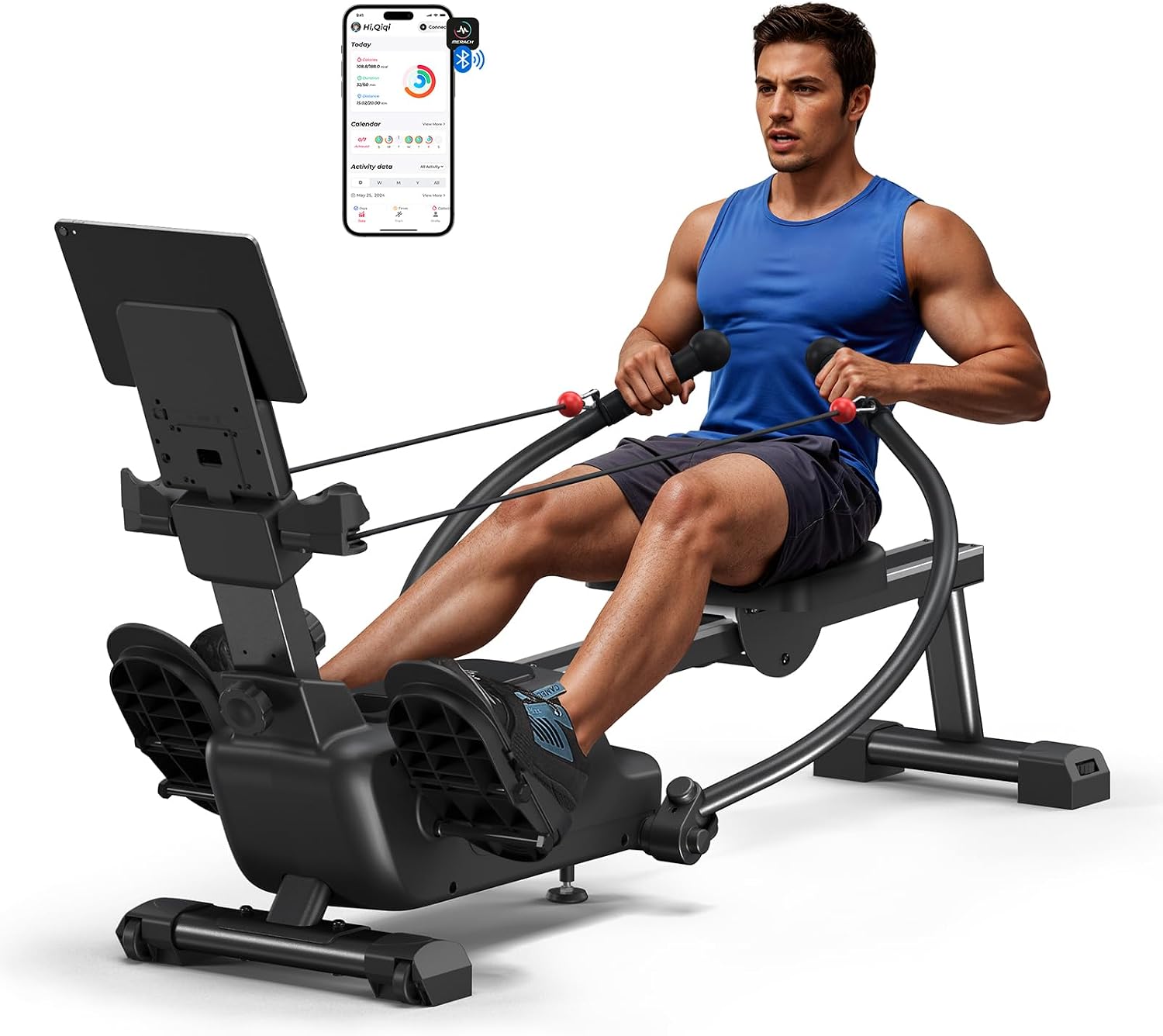
Merach RS3 Scull Rowing Machine for Home, Simulate Real Row, Ergonomic Seat
Simulates real rowing feel with scull arms
Visit on Amazon →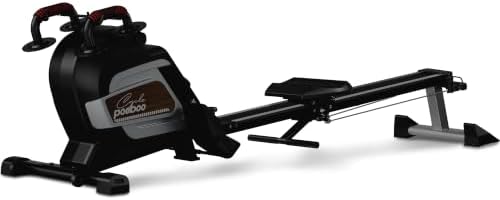
pooboo Rowing Machine for Home, Foldable Magnetic Rowing Machine
Storage king, folds flat, easy to tuck away
Visit on Amazon →How I tested
I've been coaching indoor rowing for over a decade, and I've put more people on ergs than I can count. For this test, I spent six weeks rotating through these six machines, doing 20-minute steady-state sessions, sprint intervals, and the tall-person/short-person fit test.
My dog Mabel, a 55-pound lab mix, served as unofficial seat-tester. If she didn't roll off mid-stroke, the glide was smooth enough.
I assembled every single one of these myself, timing each build. The fastest took 25 minutes. The slowest took over an hour and involved me muttering "well crap" at a confusing diagram. I rowed on each machine at least five times, and I made my neighbor, who is 5'2", try them all too, because a machine that works for me at 6'0" might be hell for her.
Comfort
The seat makes or breaks a rower. The Merach Q1S and the YOSUDA both have wide, padded seats that I could sit on for 30 minutes without squirming. The pooboo's seat is narrower and harder, and I found myself shifting around after 15 minutes. The Sunny Health seat is fine, but the rail is short, so my knees felt cramped at the catch.
Glide and resistance
This is where the Merach Q1S won. The dual rail design means the seat rolls smooth and quiet, and the magnetic resistance stays consistent through the entire stroke. The YOSUDA is close behind, with a single rail that still glides nicely. The pooboo, by contrast, felt like a rubber band. The resistance was there, but it wasn't smooth, and I could feel the pull change mid-stroke.
Monitor
Here's the honest truth: every budget monitor is a little cheesy. The screens are small, battery-powered, and show time, distance, and calories, but the Merach Q1S and the MERACH Pro-Grade both show split, which is the only metric that matters for real rowing.
The YOSUDA's screen is fine but basic. The Sunny Health requires Bluetooth to do anything, which is a dealbreaker for anyone who just wants to row without their phone.
Assembly
The YOSUDA was the easiest to put together. Clear instructions, all the screws labeled, done in 25 minutes. The Merach Q1S took me 45 minutes, and I got stuck on the guide bar screws, which need to be temporarily removed so the seat can slide on. The instructions didn't explain that clearly. The pooboo was somewhere in the middle.
Best Overall: Merach Q1S
This little "cheap" rower is great. I was skeptical of the dual rail design at first, but it makes a real difference. The seat glides smooth and stable, and I never felt like I was going to tip over, even during sprint intervals at 32 strokes per minute.
The resistance is magnetic and quiet. Mabel slept on the floor next to me during a 20-minute session and didn't stir once. The monitor shows split, stroke rate, and watts, which is everything I need to track progress. It's not fancy, but it gets the job done.
The downsides are real. Assembly took me 45 minutes and involved a moment where I thought I'd broken the seat rail. The machine weighs 78 pounds, so moving it between rooms is a two-person job. And the device holder is small, so my iPad with a thick case wobbled dangerously close to the floor during one session.
But here's the thing: this machine delivers just as good a workout as the Concept2 I've used at my gym. The split is consistent, the drag feels smooth through the whole stroke, and I can hold a 2:00 pace for 20 minutes without my form falling apart. For ~$300, that's a bargain. That's less than three months of a gym membership, and you'll own it for years.
Best Value: YOSUDA Rower
I bought my first YOSUDA on a Black Friday sale for around ~$200, and I've been recommending it ever since. It's the machine I'd put a beginner on without hesitation, because it's simple, quiet, and comfortable.
Visit on Amazon →
Assembly took 25 minutes solo, and the instructions were clear enough that I didn't have to call my wife over for moral support. The seat is wide and padded, and the foot straps are adjustable, though I really have to scrunch up to get the right angle on them. They're designed for bigger feet than mine, and I'm a size 10.
The monitor is a little cheesy, a small 3x3 inch screen that shows time, distance, and calories, but it does the job. It doesn't show split, which is a knock against it for serious rowers. But for someone who just wants to get some cardio in before work, it's perfect.
The resistance is quiet and smooth, and the machine feels solid under me at 190 pounds. It's not as stable as the Merach Q1S, but it's close. One buyer, who purchased in March, told me the device holder wouldn't secure his tablet with a thick case, and he worried it would fall off mid-workout. That matches my experience.
For ~$250, this is the machine I'd buy for a family member who's just starting out. It gets the job done, and it beats going to a crowded gym.
Editor's Pick: Merach RS3 Scull
This one surprised me. The RS3 has scull arms instead of a single handle, which simulates the feel of real rowing. I spent a week on it, and my lats were sore in a way they haven't been since I rowed on the water in college.
The learning curve is real. You have to coordinate both arms independently, and for the first few sessions, I felt like I was flailing. But once I got the rhythm down, it was a genuinely different workout. The resistance is smooth and quiet, and the machine is solid.
The downsides are space and price. At ~$400, it's the most expensive machine in this test, and the scull arms mean it takes up more room than a standard rower. The rail is also shorter than the Merach Q1S, so taller users might feel cramped.
But for someone who wants to train for actual on-water rowing, this is the closest you'll get at home without spending ~$1,000. It's a niche pick, but it's a good one.
Sunny Health Smart Rower
The budget pick at ~$220. It's compact and the Bluetooth app integration is nice, but the app requires your phone to do anything, and the rail is short for anyone over 6 feet. Fine for smaller users, frustrating for me.
MERACH Pro-Grade
The sturdy one. It's well-built and the resistance is smooth, but at ~$350, it's not different enough from the Merach Q1S to justify the extra ~$50. If the Q1S is out of stock, this is a fine backup.
pooboo Foldable
The storage king. It folds flat and tucks out of the way in a closet, which is a genuine advantage if you're short on space. But the seat is less comfortable and the resistance feels rubber-bandy. It gets the job done, but it's not my first choice.
Should you buy the Merach Q1S?
If you're serious about rowing and want a machine that will last for years, yes. The ~$300 price tag is a steal for the quality, and the dual rail design makes it feel more stable than anything else in this test. The assembly is a pain, and it's heavy, but those are one-time costs.
If you're a beginner who just wants to get some cardio in before work, the YOSUDA is the better buy. It's cheaper, easier to assemble, and the workout is nearly as good. You won't miss the split display if you've never used one.
Either way, you don't need to spend ~$1,000 to get a good workout. The budget magnetic rowers have come a long way, and these two are proof.